Ancient capybara tooth found in Atacama Desert challenges desert climate assumptions
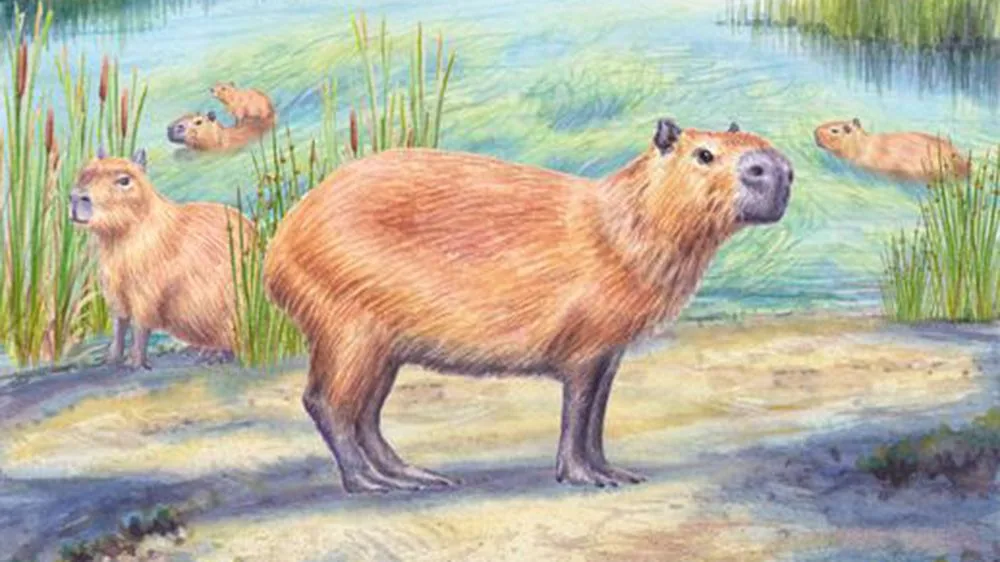
A 9 million-year-old capybara tooth was discovered in the Atacama Desert, suggesting the region may have had a more humid climate in the past. The find was unexpected because capybaras typically require access to water.
The discovery raises questions about the historical climate of the Atacama and may indicate past environmental conditions were more favorable for water-dependent species.
Age and location of the find
The tooth was dated to approximately 9 million years ago and was found in a part of the Atacama Desert that is now extremely arid.
Significance of the species
Capybaras are semi-aquatic rodents that rely on proximity to water, which suggests the area may have supported a different ecosystem in the past.
Common questions
What does the capybara tooth suggest about the Atacama Desert's past?
It suggests the Atacama may have had a more humid climate 9 million years ago, capable of supporting water-dependent species like capybaras.
How was the age of the tooth determined?
The age was determined using geological dating methods applied to the surrounding sediment layers.
Sources
- 'Freakish' discovery of 9 million-year-old capybara tooth supports idea that Atacama wasn't always a desert By Damien Pine, Live Science · livescience.com
Headlines and links belong to the publishers listed above. The summary above is written by The Science Brief; see how this works.